
Common Remodeling Mistakes and How to Avoid Them in South Bend
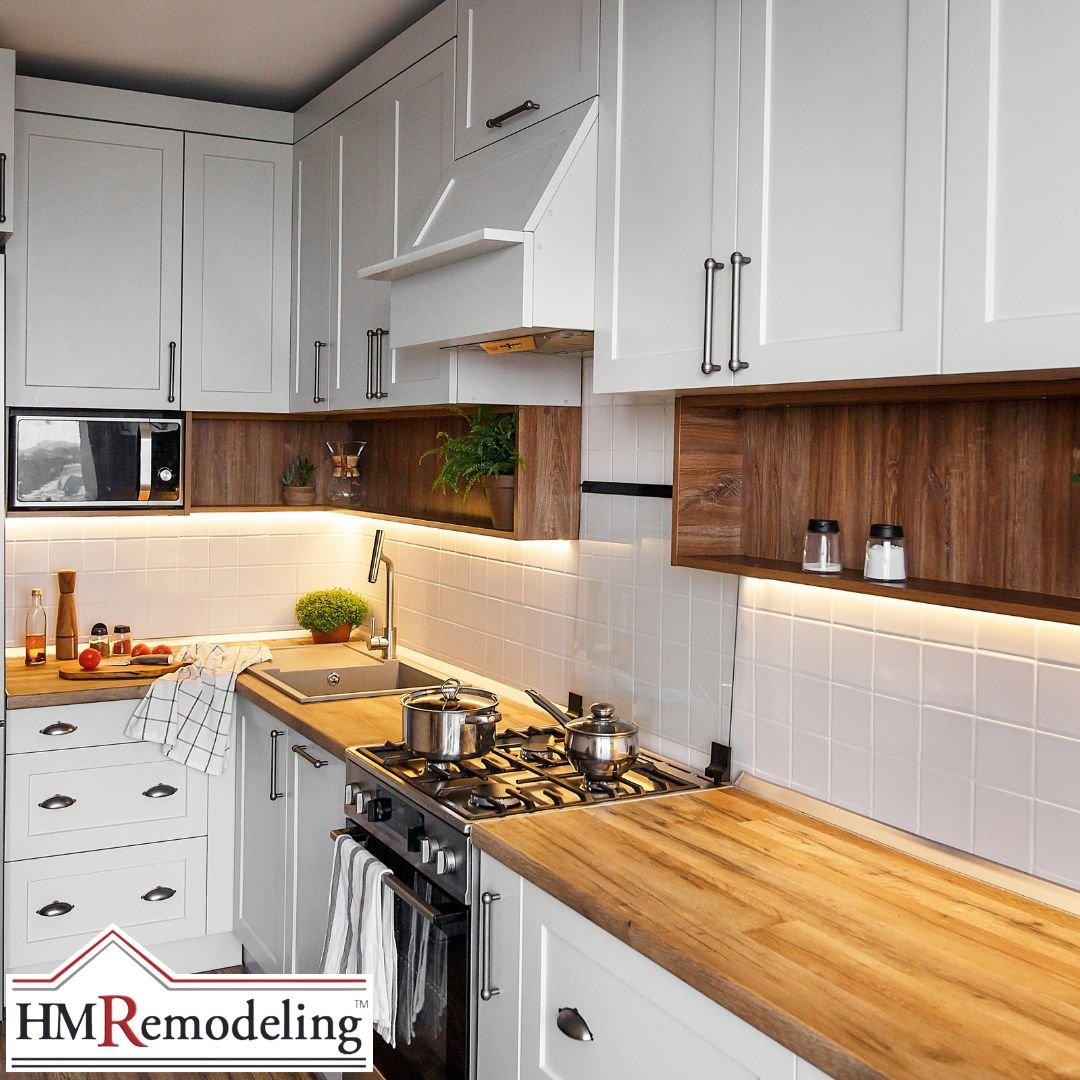
White shaker kitchen remodel with butcher block countertops and under-cabinet LED lighting by HM Remodeling in South Bend, IN
South Bend Remodeling Has Its Own Patterns of Error
Every residential market produces the remodeling mistakes that regional conditions, housing stock characteristics, and local market dynamics shape into the patterns that homeowners who understand them avoid and those who do not discover through the expensive education that mistakes consistently provide. In South Bend, those patterns reflect the Lake Michigan climate's demanding weathering mechanisms, Northern Indiana's hard water chemistry that creates the mineral accumulation and corrosion conditions that inadequately specified materials develop prematurely, and the diverse housing stock that the city's development across multiple construction eras has produced across its established neighborhoods in ways that the same mistakes in moderate-climate or softer-water markets do not produce at the same frequency or consequence.
South Bend's revitalization momentum adds the market dimension that shapes remodeling error patterns in the city's current context. The improving buyer quality and rising design expectations that the Notre Dame community's influence and the city's economic development have been creating in South Bend's residential real estate market make the visible consequences of remodeling mistakes more financially significant here than the pre-revitalization market conditions would have produced in comparable situations. A remodeling error that produces premature material failure or visible quality deficiency in a stable market creates buyer negotiation leverage. In South Bend's improving market, where buyer expectations are rising alongside the city's revitalization momentum, that same error creates the quality gap that the improving buyer pool evaluates against higher standards than the previous market sustained.
The regional conditions that Lake Michigan's climate and Northern Indiana's geology create also shape the remodeling mistakes that appear most consistently across South Bend's established neighborhoods. Selecting materials without verifying their performance through the Lake Michigan climate's freeze-thaw cycling and biological growth activity. Failing to assess the basement moisture conditions that Northern Indiana's glacial soil and snowmelt loading creates before investing in finishes those conditions undermine. And scheduling remodeling work without the lead time that South Bend's compressed spring shoulder season and the simultaneous homeowner project activation that Northern Indiana's spring creates in the regional contractor market requires.
Mistake One: Material Selection Without Lake Michigan Climate Verification
Material selection that does not account for the Lake Michigan climate's specific performance demands is the remodeling error that produces the most visible and most predictable premature failures in South Bend. The lake-effect climate creates the material performance demands that the combined effect of sustained winter cold, significant lake-effect moisture deposition, freeze-thaw cycling through the shoulder seasons, and the biological growth activity that the lake corridor's spring moisture and moderate temperatures sustain on exterior and interior surfaces produce in ways that product ratings calibrated to average conditions do not anticipate for the regional environment.
Exterior paint selection without mildew resistance and flexibility verification is the most visible version of this mistake in South Bend. The biological growth that Lake Michigan's spring moisture and moderate temperatures activate on painted exterior surfaces advances on paint formulations without mildew-resistant additives at rates the lake-effect corridor's biological growth activity creates more aggressively than drier or less lake-influenced climates. A South Bend home whose exterior paint was selected without confirming the mildew resistance and flexibility specifications appropriate for the Lake Michigan climate's biological growth activity and freeze-thaw amplitude will present the biological staining and adhesion failure the regional conditions advance within two to three seasons rather than the longer intervals that moderate-climate ratings suggest.
Grout selection without Northern Indiana hard water consideration is the interior remodeling material error that produces premature staining in tile installations that the regional water chemistry creates in grout not specified for the ongoing mineral deposit demands that South Bend's hard water delivers. Standard cementitious grout in South Bend tile applications absorbs the calcium and magnesium the regional supply continuously delivers, producing the discoloration that cleaning manages incompletely across the installation's service life and that epoxy grout specification would have prevented through the non-porous surface that Northern Indiana's water chemistry specifically warrants.
Flooring selection without Lake Michigan humidity cycling verification produces the warping, gapping, and dimensional instability that the regional climate's significant humidity variation between the dry heated winter interior and the humid lake-effect spring and summer drives in flooring materials whose dimensional stability specifications assume more stable moisture conditions than Northern Indiana's seasonal transitions create in residential floor assemblies.
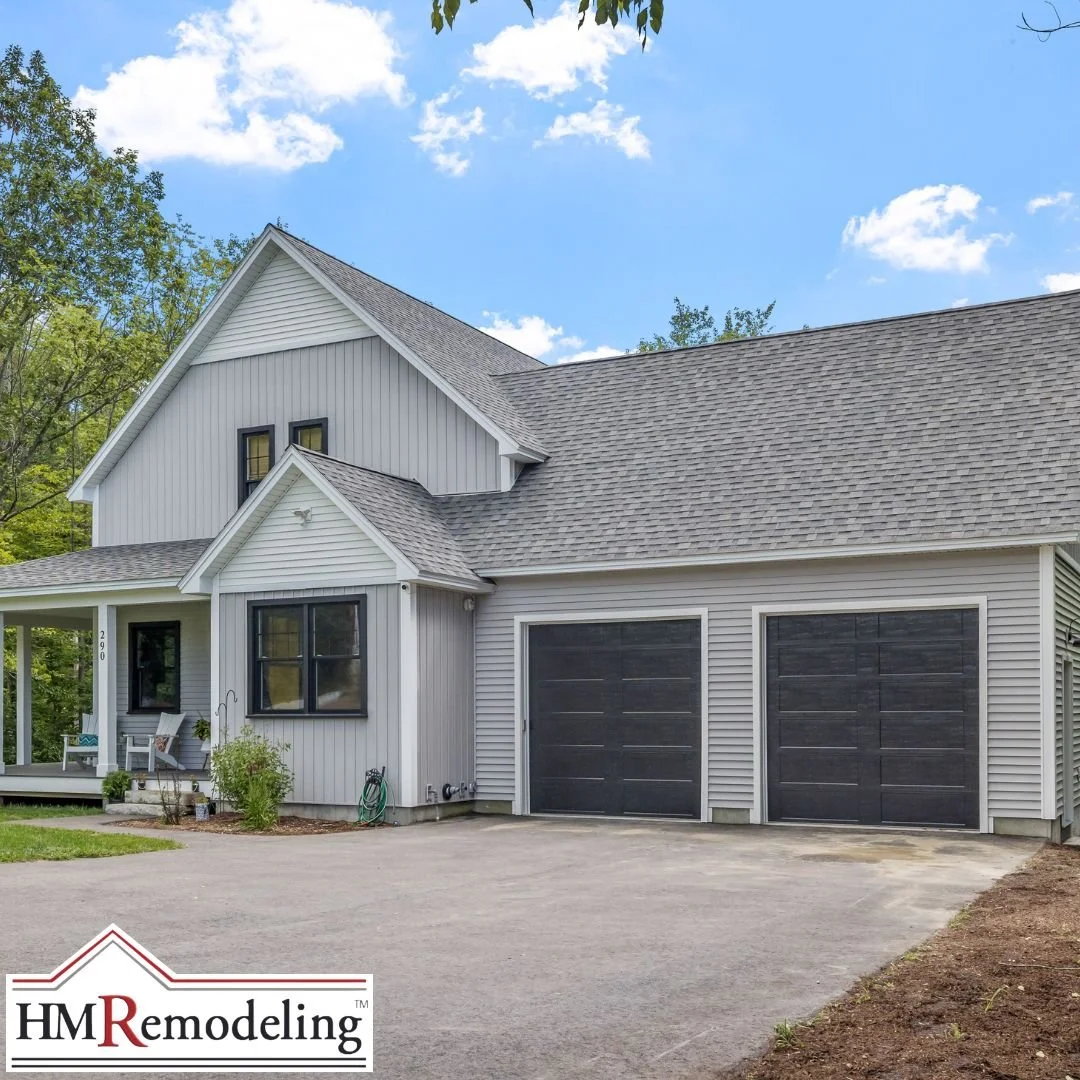
Modern farmhouse exterior remodel with gray board and batten siding and dark garage doors by HM Remodeling in South Bend, Indiana
Mistake Two: Skipping Pre-Remodel Basement Moisture Assessment
The most consistently consequential remodeling mistake in South Bend is investing in basement finish work or above-grade improvements before evaluating and addressing the basement moisture conditions that Northern Indiana's glacial soil profiles, the significant snowmelt that Lake Michigan's climate deposits through the heating season, and the spring rainfall loading together create in the below-grade spaces that South Bend's housing stock almost universally carries.
Basement moisture assessment before any below-grade investment is the pre-project evaluation whose omission produces the most expensive outcomes in South Bend remodeling. The glacially deposited clay and mixed soil profiles that cover much of St. Joseph County's residential landscape create the drainage limitation and hydrostatic pressure conditions that the combined lake-effect snowmelt and spring rainfall concentrates against basement foundations during the region's most active moisture loading period. A South Bend basement that appeared dry through the summer's dry periods may experience the moisture infiltration that the spring snowmelt and rainfall combination creates against glacial clay-confined foundations, and basement finish investment that precedes that spring moisture assessment covers the moisture source rather than addressing it.
Sump system adequacy confirmation before any basement finish investment ensures that the mechanical protection against the moisture loading that Northern Indiana's spring creates has been confirmed adequate for the actual spring event volumes the specific property's drainage conditions produce before the finish investment that depends on that protection is committed.
Mistake Three: Underestimating South Bend Contractor Demand and Timeline Realities
The timeline and contractor availability mistakes that derail South Bend remodeling projects share the origin that Northern Indiana's compressed outdoor construction season and the simultaneously activated spring project motivation that Lake Michigan's long winter creates in a contractor market where quality providers fill their spring and summer schedules from winter planning conversations rather than from the spring activation that every homeowner's accumulated project list generates at the same moment.
South Bend's compressed spring contractor demand reflects the simultaneous project activation that the brief shoulder season between Lake Michigan's long winter thaw and the fall's early return of limiting temperatures creates for every homeowner across St. Joseph County. Quality remodeling contractors in the South Bend market fill their spring and early summer schedules from conversations that begin in January and February, and the homeowner whose contractor conversations have not started by April is scheduling for summer at best. The Notre Dame community's spring motivation, the city's revitalization momentum's effect on project activation rates, and the Lake Michigan climate's compressed construction window all intensify the demand concentration that makes winter planning specifically valuable for South Bend homeowners whose projects compete for the same quality contractor availability that the regional spring creates as a finite and compressed resource.
Material lead times in the South Bend remodeling market reflect the supply chain realities that the regional market's position in Northern Indiana creates for specialty materials that do not carry the stocking levels of major metropolitan markets. Custom cabinetry runs four to eight weeks from order to delivery. Countertop fabrication adds two to three weeks after the template measurement that cabinet installation enables. Specialty tile from non-stock sources runs four to six weeks. A South Bend kitchen remodel whose homeowner assumed a six-week construction-phase completion timeline requires twelve to fourteen weeks when material lead times are incorporated into realistic scheduling that accounts for the Northern Indiana market's supply chain realities and the compressed spring contractor availability that Lake Michigan's climate creates simultaneously.
The Notre Dame academic calendar dimension of South Bend's contractor market creates the specific scheduling consideration that the university's May through August period activates as the most concentrated project demand season in a market where the university community's faculty, staff, and affiliated household population simultaneously pursues the home improvement projects that academic year schedules and Lake Michigan's compressed outdoor season together compress into the same summer window.
Mistake Four: Permit Omissions in South Bend
The permit omission that creates the most expensive and disruptive remodeling complications in South Bend reflects the specific permit requirements of Indiana's residential construction oversight environment and the real estate transaction consequences that unpermitted work creates in a market whose revitalization momentum has been bringing increasingly sophisticated buyers whose transaction due diligence reflects the improving market quality that South Bend's revitalization is creating.
Indiana and South Bend permit requirements apply to specific project categories regardless of project scope, and the projects most commonly attempted without permits in the South Bend area are precisely those whose unpermitted status creates the real estate and insurance complications that emerge at the most inconvenient timing. The City of South Bend's building permit requirements govern the construction activities requiring permits within the city, and working with remodeling contractors who manage permit compliance as standard project scope protects homeowners from the unpermitted work consequences that affect future transactions and insurance claims in an improving market where buyer scrutiny is rising alongside the city's revitalization momentum.
South Bend's improving buyer population creates the specific unpermitted work detection risk that the Notre Dame community's professional and academic backgrounds and the improving buyer quality that the city's revitalization attracts produce in buyers whose transaction due diligence reflects the analytical rigor that professional backgrounds and improving market conditions together cultivate in the South Bend real estate environment.
Mistake Five: Incorrect Sequencing for Lake Michigan's Conditions
Sequencing errors in South Bend remodeling produce their most expensive consequences when the Lake Michigan climate's spring moisture loading and the regional biological growth conditions expose interior improvements to the moisture and biological activity that inadequate sequencing allowed before the exterior conditions creating those pathways were resolved.
Exterior before interior is the sequencing discipline that Northern Indiana's significant lake-effect snowmelt and the organized frontal systems that Lake Michigan's spring delivers make more urgent in South Bend than in moderate inland markets. Completing interior painting, new flooring, and finished surfaces in a South Bend home with failed window caulking and compromised roofing before addressing those exterior conditions exposes the interior finishes to the combined snowmelt and spring rainfall moisture that the regional season delivers through the open infiltration pathways that pre-remodel assessment should have closed before interior investment was made above conditions the regional spring would test.
Basement moisture confirmation before basement investment is the sequencing standard that St. Joseph County's glacial soil dynamics and Northern Indiana's significant snowmelt contribution make specifically important. Installing finished flooring, completing a basement renovation, or investing comprehensively in below-grade spaces in a South Bend home without confirming sump system adequacy and foundation drainage through at least one complete Northern Indiana spring moisture loading cycle sequences finish investment before the moisture foundation assessment that determines whether that investment will hold through the Lake Michigan springs that follow.
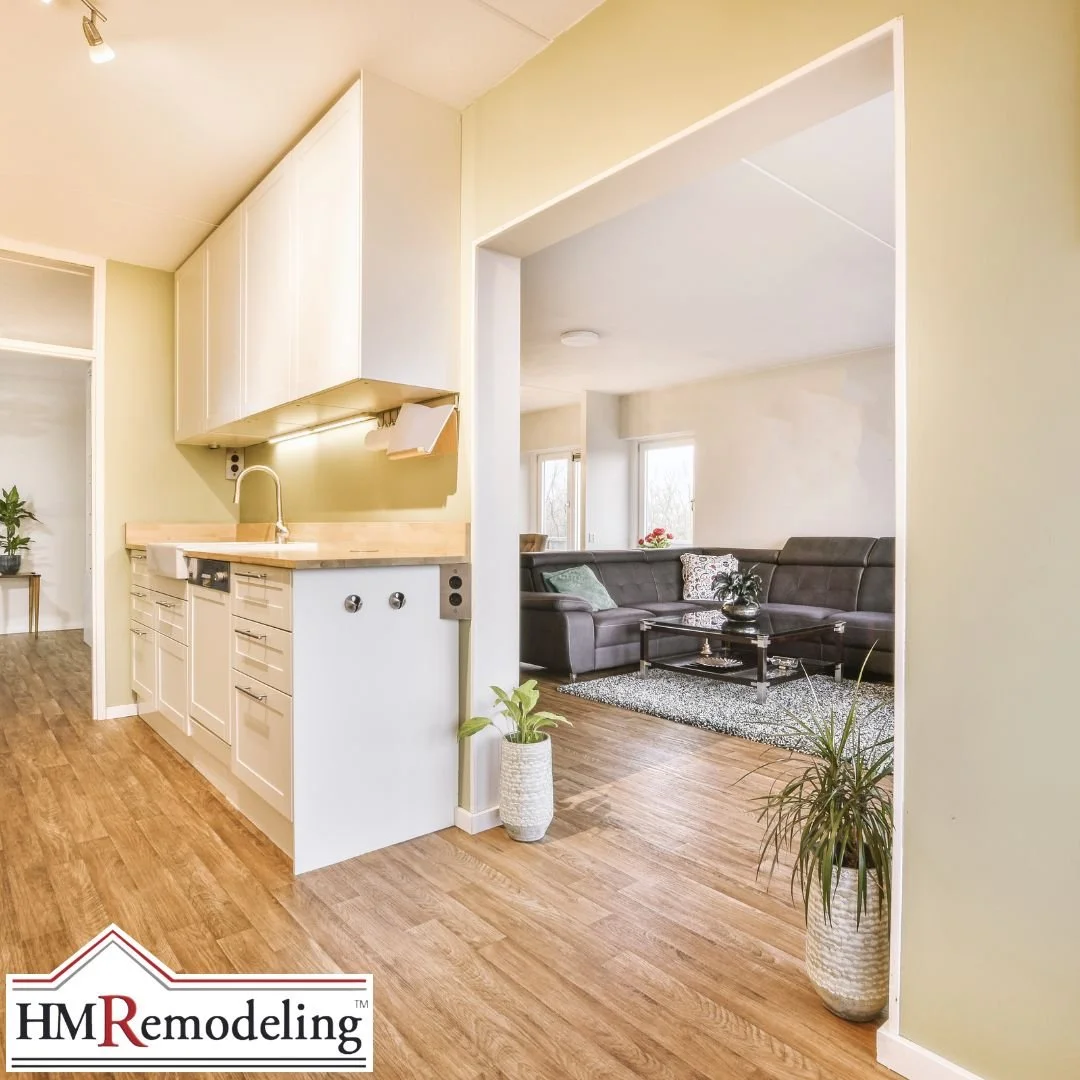
Open concept kitchen and living room remodel with white cabinetry and wood floors by HM Remodeling serving South Bend and Northern Indiana
Frequently Asked Questions
How do I find a reliable remodeling contractor in South Bend? Request references from comparable projects completed specifically in the South Bend area and confirm those projects managed the regional conditions that the Lake Michigan climate and Northern Indiana's hard water create in the specific project category. Verify contractor licensing through Indiana's contractor registration system, confirm the contractor manages permit compliance as standard project scope, and obtain multiple estimates with scope documentation clear enough to compare for the specific regional conditions the South Bend project requires. HM Remodeling's dedicated focus on South Bend remodeling specifically provides the regional expertise and permit compliance management that quality regional outcomes require, combined with the project-specific attention that a dedicated remodeling contractor delivers compared to general service alternatives.
What contingency percentage is appropriate for a South Bend remodel? Fifteen percent for homes less than thirty years old and twenty percent for homes in South Bend's established neighborhoods built before 1980 reflects the infrastructure discovery rate that the regional housing stock and the Lake Michigan climate's effects create in renovation work involving opening walls, replacing floors, or modifying plumbing and electrical systems. Older South Bend homes in the city's established neighborhoods may carry the original cast iron drain configurations, galvanized supply lines, knob and tube wiring in the oldest properties, or basement moisture conditions that demolition reveals in ways that contingency planning incorporates before those discoveries become budget surprises that inadequate planning failed to anticipate in a remodeling project whose scope did not account for what the regional housing stock's age and history create as realistic discovery probabilities.
How does the Lake Michigan climate affect South Bend remodeling scheduling? Basement renovation and any project involving below-grade spaces should confirm sump system adequacy and foundation drainage conditions through the spring snowmelt and rainfall season before committing to finish investment in those spaces. The combined snowmelt and spring rainfall loading that the Lake Michigan climate creates in St. Joseph County's glacial clay-confined foundations produces the moisture conditions that spring assessment reveals in below-grade spaces that may have appeared dry through the previous summer's limited moisture loading. Exterior envelope repairs should precede interior improvements to prevent the snowmelt and spring rainfall that the regional season delivers from testing open infiltration pathways during the interior investment period that followed rather than preceded those repairs.
What is the most common South Bend remodeling mistake that leads to premature finish failure? Selecting exterior paint and interior tile grout without verifying the performance specifications appropriate for the Lake Michigan climate's biological growth activity and Northern Indiana's hard water chemistry produces the most consistently premature finish failures across the South Bend remodeling market. Exterior paint without mildew-resistant additives appropriate for the lake-effect corridor's biological growth environment and interior shower grout without the mineral deposit resistance that Northern Indiana's hard water makes a long-term performance requirement both trace to the same material selection error of applying average-condition ratings to a regional environment whose specific biological growth, hard water, and freeze-thaw cycling demands exceed those averages in predictable and preventable ways that regional expertise specifically identifies before material commitment rather than discovering through premature failure after installation.
Should I remodel before listing in South Bend's improving market or price to reflect current condition? In South Bend's improving market, well-executed remodeling consistently produces better financial outcomes than as-is pricing for properties whose condition reflects the accumulated effect of the Lake Michigan climate on regional housing stock without recent maintenance and improvement investment. The improving buyer quality that the city's revitalization momentum has been attracting applies the rising quality expectations that improvement creates to property evaluation, and sellers who complete targeted improvements before listing access the showing traffic and offer competition that South Bend's improving spring market generates for prepared properties that meet the rising standards the revitalization's buyer quality improvement has established.
Planning Well Produces the South Bend Remodel That Works
The remodeling mistakes that South Bend homeowners most consistently encounter trace to planning that did not account for the Lake Michigan climate's biological growth and freeze-thaw demands, Northern Indiana's hard water chemistry, St. Joseph County's glacial soil basement moisture dynamics, and the contractor and material availability realities of a compressed spring shoulder season in a city whose revitalization momentum has been simultaneously raising project activation rates and contractor demand concentration. Planning that specifically incorporates those regional factors produces the outcomes that investment and effort deserve in South Bend's improving and increasingly quality-conscious residential market.
HM Remodeling brings the South Bend regional expertise and dedicated remodeling focus to help homeowners plan and execute projects that avoid the specific errors this market's conditions create and deliver the results that South Bend homes are capable of at their best.
Phone: (574) 217-4384 Website: https://hmremodelingsb.com/
Serving homeowners throughout South Bend with the remodeling expertise your home deserves.
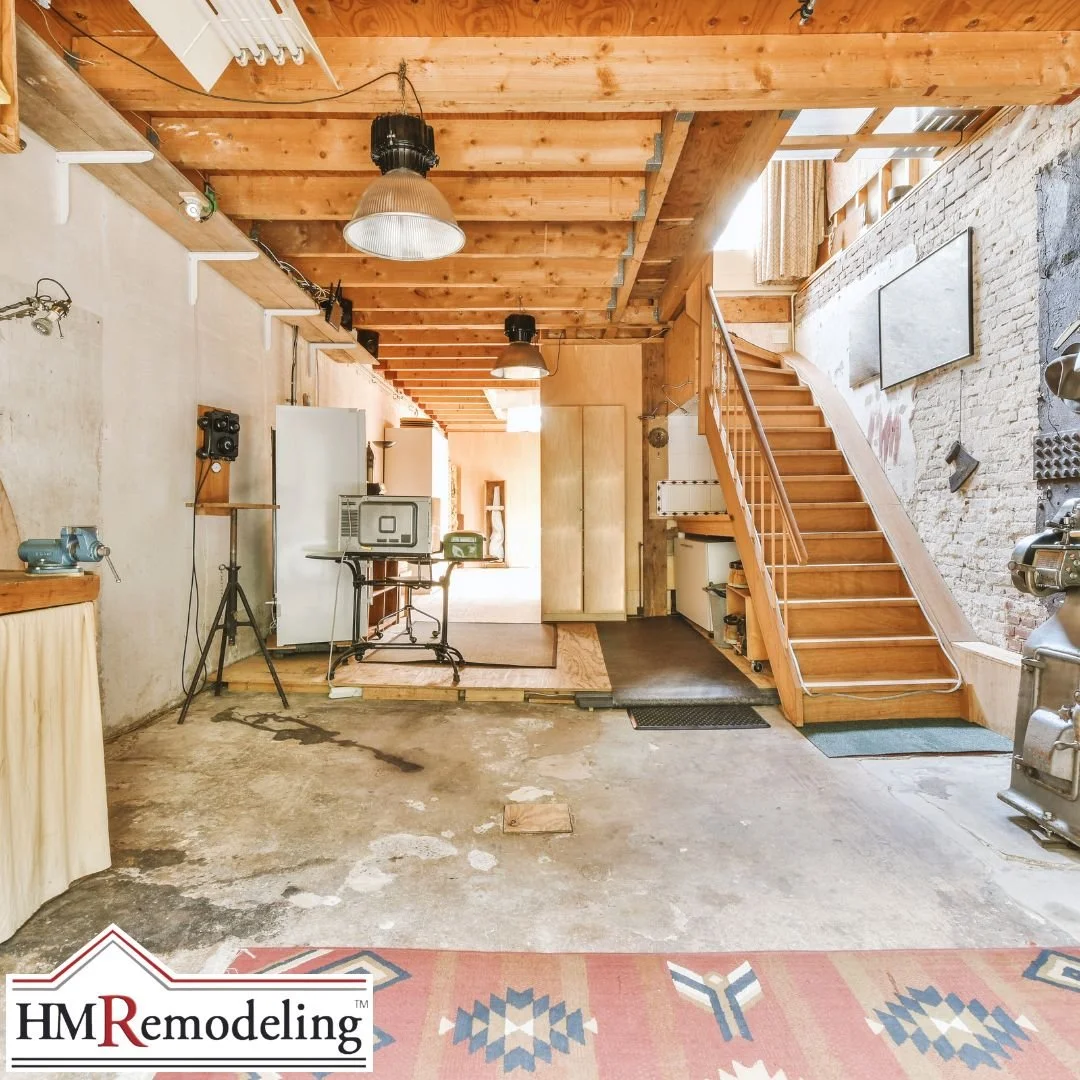
Unfinished basement with exposed wood beams and concrete floor showing why moisture assessment matters before remodeling in South Bend, Indiana
