
Preparing Your Deck or Patio for Summer in South Bend
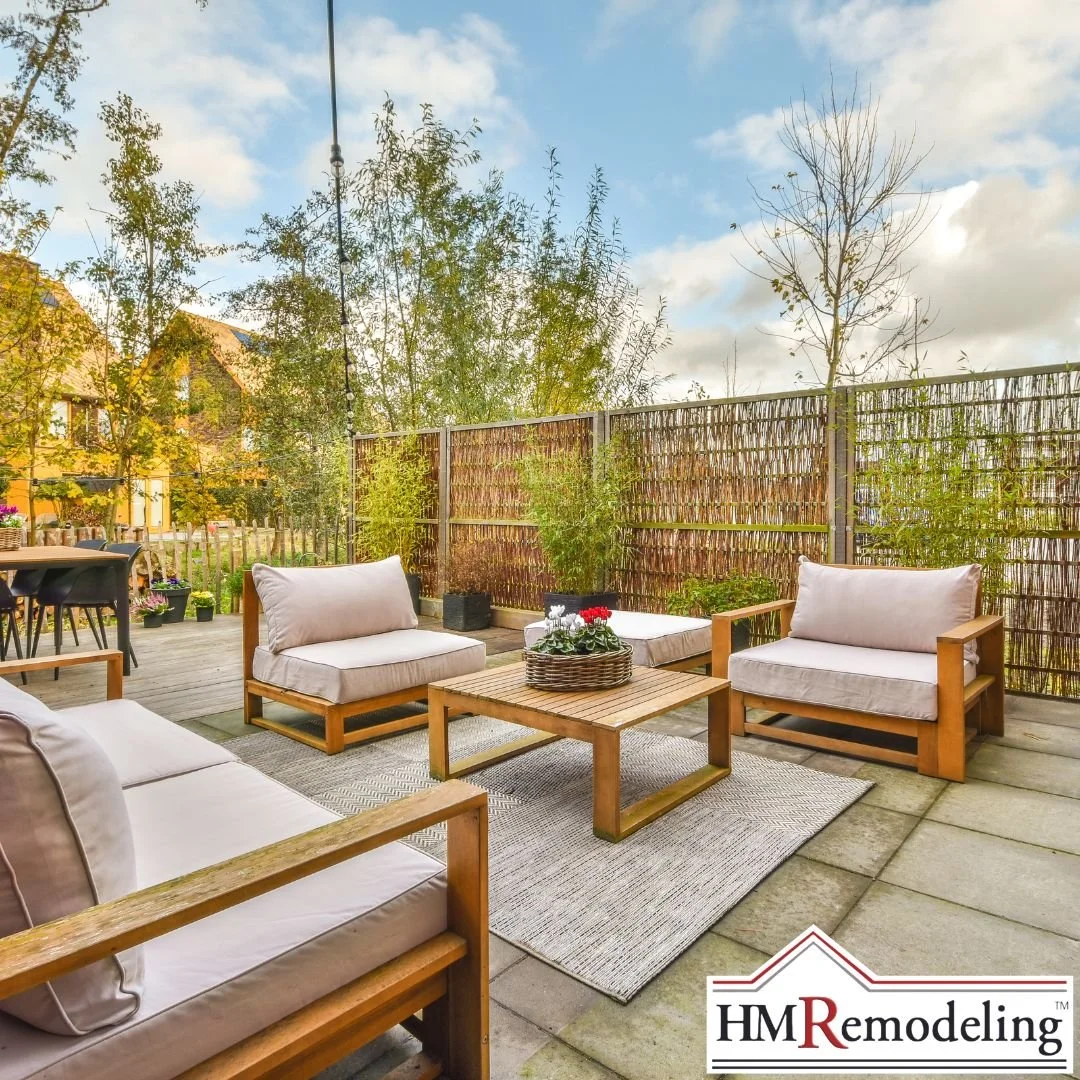
Composite deck with sectional seating and potted flowers for summer outdoor living by HM Remodeling in South Bend, Indiana
Northern Indiana's Outdoor Season Deserves a Prepared Outdoor Space
The outdoor living season in South Bend is genuinely one of the more rewarding aspects of Northern Indiana residential life, and homeowners who have experienced the University of Notre Dame's campus in late spring or the pleasant summer evenings that St. Joseph County delivers through June, July, and August understand the specific quality of the outdoor living calendar that the region provides after a lake-effect winter's extended indoor confinement. The compressed outdoor season that Lake Michigan's climate creates between the late spring thaw and fall's early return of limiting temperatures makes every week of the outdoor calendar proportionally more valuable than the same week represents in a longer-season market, and the deck or patio that is not prepared for use when May's pleasant temperatures arrive is losing weeks from the compressed but genuinely excellent outdoor season that Northern Indiana provides.
The specific conditions that the Lake Michigan climate produces in decks and patios between the end of one outdoor season and the beginning of the next reflect the region's demanding weathering mechanisms rather than the dramatic cold-weather damage of the most severe northern climates or the year-round biological growth of southern markets. The lake-effect moisture that Lake Michigan's climate deposits on South Bend outdoor surfaces through the heating season establishes the biological growth conditions that spring's warming temperatures then advance on wood and composite deck surfaces that winter's moisture prepared for colonization. The freeze-thaw cycling that Lake Michigan's influence creates in Northern Indiana's shoulder seasons stresses structural connections, post base hardware, and concrete patio surfaces through the repeated thermal events that the regional climate creates at greater frequency than more moderate inland markets. And the winter salt residue that South Bend's ice management culture deposits on concrete and paver patio surfaces through the extended lake-effect heating season creates the specific surface condition that professional spring cleaning addresses before the outdoor season begins.
Spring is when those accumulated conditions are most completely visible, most actionable before the compressed outdoor season places full demand on structures and surfaces carrying those conditions, and most appropriately addressed in the moderate temperature window that South Bend's April and May provide for the surface treatments and structural repairs whose application quality spring conditions support before summer's competing demands change the maintenance timeline.
What the Lake Michigan Climate Produces in South Bend Deck Assemblies
Biological growth on deck surfaces is the deck condition that the Lake Michigan climate creates most consistently between outdoor seasons in South Bend and that represents the most immediate preparation requirement before surface treatment and outdoor season use begin. The combination of the lake-effect moisture that Northern Indiana's heating season deposits on deck surfaces, the significant snow pack that South Bend's winters accumulate through the lake-effect season, and the moderate temperatures that Lake Michigan's spring delivers all create the biological growth establishment conditions that the regional climate sustains on organic outdoor surfaces between outdoor seasons at rates that more arid or colder markets do not produce at the same colonization speed. A wood deck in a South Bend established neighborhood that has not been cleaned since the previous outdoor season carries the biological growth that the lake-effect moisture and spring warming have established across the deck surface.
Freeze-thaw cycling effects on deck structural connections in South Bend homes reflect the specific frequency that Lake Michigan's climate creates in freeze-thaw events across the heating season and through the shoulder seasons' transitional periods. The lake-effect climate that St. Joseph County experiences delivers the freeze-thaw cycling that advances fastener loosening, post base hardware corrosion, and ledger connection stress at the structural hardware interfaces that the regional climate's thermal amplitude cycles through more frequently than the more moderate inland markets that do not share Lake Michigan's specific climate influence. Each freeze-thaw contribution to the cumulative hardware stress that spring assessment evaluates at each structural connection point reflects what the regional lake-effect climate specifically creates rather than the single-direction sustained cold that more severe northern markets produce.
Winter salt residue on concrete patios in South Bend reflects the specific ice management culture that Northern Indiana's extended lake-effect heating season creates in the way that South Bend homeowners manage outdoor surfaces through the winter months. The calcium chloride and sodium chloride that patio areas receive through snowmelt runoff from treated adjacent surfaces, combined with the direct winter salt application that South Bend's significant lake-effect ice events motivate, creates the salt accumulation on concrete patio surfaces that professional spring cleaning specifically addresses before outdoor season use concentrates foot traffic and furniture placement on those salt-contaminated surfaces.
Post base hardware corrosion in South Bend deck installations reflects the lake-effect moisture that Northern Indiana's climate creates in the soil zone around deck footings and the freeze-thaw cycling that the regional shoulder seasons deliver to the metal connectors at post base locations through the heating season's repeated thermal events. Post base connectors in South Bend decks accumulate the rust advancement and section loss that the lake-effect climate's sustained moisture and thermal cycling creates in exposed metal hardware at rates that the regional conditions advance through each heating season's contribution.

Stone patio with teak lounge chairs, woven privacy screen, and string lighting by HM Remodeling serving Northern Indiana
Patio and Concrete Conditions After South Bend's Winter
Concrete patio crack assessment after South Bend's winter evaluates the crack advancement that the Lake Michigan climate's freeze-thaw cycling and the winter salt application that the regional ice management culture deposits in moisture-saturated existing cracks created in concrete flatwork through the heating season. The combined effect of Northern Indiana's freeze-thaw cycling and the salt crystal expansion in saturated cracks advances the crack widening that flexible polyurethane sealing addresses in spring before the biological growth that Lake Michigan's moisture and spring warming activates in unsealed cracks adds the embedded staining that the regional conditions develop quickly.
Paver patio assessment in South Bend residential properties evaluates the frost heave displacement that the lake-effect climate's sustained cold creates in paver installations through the heating season's accumulated freeze events and the shoulder seasons' repeated freeze-thaw cycling.
Surface Restoration: What South Bend Deck Preparation Requires
The surface restoration work that prepares South Bend decks and patios for the outdoor season reflects the specific conditions that the Lake Michigan climate produces in outdoor surface materials between outdoor seasons, and the product knowledge and application technique that regional experience provides distinguishes results that hold through the compressed but genuinely excellent Northern Indiana outdoor season from those that show deterioration before the season's most active months are completed.
Deck cleaning that removes South Bend's lake-effect biological accumulation and winter deposits requires the cleaning products, technique, and attention to the regional contamination profile that professional service with Lake Michigan climate awareness provides versus the surface rinsing that common homeowner approaches accomplish on the combined biological growth, winter salt residue, and lake-effect mineral deposits that Northern Indiana's heating season creates on wood deck surfaces. The biological material and salt residue that professional cleaning removes at the depth that product penetration and appropriate technique achieves provides the clean substrate that staining requires to bond and protect at the rated performance level. A South Bend deck surface that appears improved after casual hosing may carry the biological residue and winter salt mineral film beneath the surface appearance that the regional climate's spring warmth will advance once staining applied over that contamination seals the biological material and salt film beneath the treatment rather than removing it from the substrate before treatment.
Penetrating stain selection for Lake Michigan climate conditions should prioritize the mildew resistance and moisture management specifications that the lake-effect region's biological growth activity and the combined snowmelt and spring moisture the regional climate creates as the primary deck surface protection requirements for maximizing service life through the compressed Northern Indiana outdoor season. Penetrating oil-based stains that absorb into wood fiber rather than forming a surface film accommodate the dimensional changes that the Lake Michigan climate's freeze-thaw cycling and moisture variation drive in wood decking without the adhesion failure that film-forming products develop at the material interfaces that the regional thermal amplitude stresses. Application in the moderate temperature window that South Bend's April and May provide in the dry periods between lake-effect frontal systems delivers the penetration depth and cure quality the product achieves at its rated performance level.
Composite decking cleaning in South Bend applications requires the manufacturer-specified approach appropriate for the specific composite product combined with the regional awareness of the lake-effect mineral film and winter salt residue that Northern Indiana's heating season creates on composite surfaces. Professional cleaning that addresses both the biological growth and the lake-effect mineral and salt film the regional winter creates on composite deck surfaces delivers the substrate restoration that protects composite product finishes and maintains the appearance that the compressed outdoor season's immediate use will evaluate from the first pleasant day forward.
Structural Safety Assessment for South Bend Decks
Ledger connection physical assessment in South Bend deck assemblies evaluates the flashing condition, fastener integrity, and wood quality at the house-to-deck connection that the Lake Michigan climate's sustained moisture and freeze-thaw cycling most directly affects through the heating season's accumulated contribution to the conditions at this critical structural point. The ledger connection carries the full deck assembly load at the building envelope transition where the regional lake-effect moisture and the shoulder seasons' freeze-thaw cycling create the conditions that physical force testing specifically evaluates rather than the visual observation that intact surface appearance creates without confirming structural adequacy under loading conditions.
Post base hardware evaluation at each deck foundation point confirms the rust advancement, section loss, and the lake-effect moisture corrosion that St. Joseph County's climate creates in the metal connectors at post base locations after each Northern Indiana heating season. The physical inspection that close-range assessment of each post base provides identifies the corrosion progression that the regional lake-effect climate advances in outdoor metal hardware before the outdoor season places the live loading of gathering activity on the structural adequacy that deterioration has been progressively reducing between spring assessment opportunities.
Railing and stair assessment physically tests the lateral stability and connection integrity that the Lake Michigan climate's freeze-thaw cycling and moisture variation has produced in railing post connections and stair structural components since the previous assessment. The force testing that loads each railing section at the levels that occupant contact creates confirms the connection integrity that visual observation of intact surface condition does not communicate without physical loading assessment.
Outdoor Space Preparation for the Northern Indiana Outdoor Season
Furniture assessment and positioning before South Bend's outdoor season addresses what winter storage through Lake Michigan's sustained cold or covered outdoor exposure through the region's heating season created in patio furniture that the compressed outdoor season's active use will immediately depend on. The lake-effect climate's sustained cold and moisture creates the conditions in stored outdoor furniture that indoor or climate-controlled storage prevents, and spring assessment confirms that furniture condition supports the immediate outdoor season use that South Bend's compressed calendar makes specifically valuable from the season's first pleasant days.
Outdoor shade and structure readiness for South Bend residential properties evaluates the connection integrity and fabric or panel condition that Northern Indiana's winter wind events, the lake-effect snow loading, and the previous outdoor season's UV exposure produced in outdoor shade structures that the outdoor season's use depends on from its beginning.

Stone patio with wicker seating and wood privacy fence ready for summer outdoor living by HM Remodeling in South Bend, IN
Frequently Asked Questions
How often should wood decking in South Bend be stained or sealed? Quality penetrating stain on South Bend wood decking requires reapplication every two to three years given the lake-effect moisture that Northern Indiana's climate deposits on horizontal outdoor surfaces, the biological growth that the regional spring activates on wood deck surfaces between outdoor seasons, and the compressed outdoor season that makes every week of the available calendar specifically valuable against the stain's protection life. The functional test that determines reapplication timing regardless of calendar interval is whether water beads on the deck surface indicating adequate stain protection or absorbs into the wood indicating that the Lake Michigan climate's moisture and biological growth exposure has depleted the protection past the maintenance threshold that reapplication addresses before the next compressed South Bend outdoor season begins without it.
Is composite decking worth the premium over pressure-treated wood for South Bend homes? For South Bend homeowners whose outdoor season maintenance patterns make the annual cleaning and staining that wood decking requires in the Lake Michigan climate's biological growth and lake-effect moisture environment a persistent deferral against the compressed spring preparation window, composite decking's elimination of those maintenance requirements delivers genuine practical advantage. Quality composite decking handles the lake-effect moisture, biological growth conditions, and the winter salt exposure that South Bend's ice management culture creates without the surface staining and UV graying that wood develops between maintenance intervals, supporting the investment for homeowners whose maintenance history suggests wood surface maintenance will continue being deferred into the outdoor season that preparation should precede.
What concrete crack filler performs best for South Bend patio repairs given the lake-effect winter and winter salt exposure? Flexible polyurethane crack filler that accommodates the movement that the Lake Michigan climate's freeze-thaw cycling and the winter salt crystal dynamics continue producing at concrete crack locations performs better through the regional pattern than rigid cementitious alternatives. The combination of Northern Indiana's freeze-thaw cycling and the salt crystal expansion in moisture-saturated existing cracks makes the material flexibility of the repair product more consequential in South Bend than in markets with less frequent freeze-thaw cycling or without the regional ice management culture's salt application volume, and selecting specifically for the flexibility that the Lake Michigan climate's conditions require produces repairs that outlast the rigid alternatives that the regional conditions advance through the same failure mechanism within one to two seasonal cycles.
How does South Bend's compressed outdoor season affect the value of professional deck preparation? The compressed outdoor season that Lake Michigan's climate creates in South Bend makes each prepared week of outdoor living proportionally more valuable than the same week represents in a longer-season market. A professional preparation service that delivers confirmed structural readiness, clean lake-effect biological and salt deposit-free surfaces, and properly applied mildew-resistant stain protection before Memorial Day provides its return across the full compressed South Bend outdoor season rather than the partial season that deferred self-preparation produces when competing spring demands push completion into June. The professional service investment is recovered across the additional weeks of the outdoor season that complete preparation enables rather than the shortened season that deferred preparation consistently produces in Northern Indiana's brief outdoor calendar.
What is the most important pre-season deck safety check for a South Bend home? Ledger board connection integrity is the single most consequential safety evaluation in South Bend pre-season deck inspection because the ledger carries the full deck assembly load at the building envelope transition where the Lake Michigan climate's sustained moisture and the lake-effect winter's freeze-thaw cycling most directly advance the flashing adhesion failure and fastener stress that the regional conditions create at this critical connection point. A deck carrying compromised ledger condition into the compressed outdoor season's gathering activity is presenting its most critical structural point in the unassessed condition that pre-season evaluation specifically exists to identify and address before the outdoor season loads that connection with the live weight that Northern Indiana's genuinely excellent summer outdoor living sustains.
South Bend's Outdoor Season Begins With Professional Preparation
The deck and patio preparation investment that South Bend homeowners make in spring delivers its return through every gathering, every evening on the deck, and every outdoor living moment that the Lake Michigan region's compressed but genuinely excellent outdoor season provides through the warm months between late spring and early fall. The lake-effect biological growth removed before surface treatment, the stain applied in spring's favorable application window with the mildew resistance that the regional climate demands, the structural connections confirmed through physical assessment, and the concrete surfaces cleaned of winter salt residue all contribute to the outdoor experience that Northern Indiana's compressed but rewarding outdoor calendar specifically makes worthwhile when preparation creates full-season readiness rather than mid-season catch-up.
HM Remodeling brings the South Bend regional expertise and dedicated craftsmanship to help homeowners assess, restore, and prepare their deck or patio for everything Northern Indiana's outdoor season delivers.
Phone: (574) 217-4384 Website:https://hmremodelingsb.com/
Serving homeowners throughout South Bend with the remodeling expertise your home deserves.

Teak outdoor furniture on stone paver patio surrounded by lush garden by HM Remodeling serving South Bend and Northern Indiana
